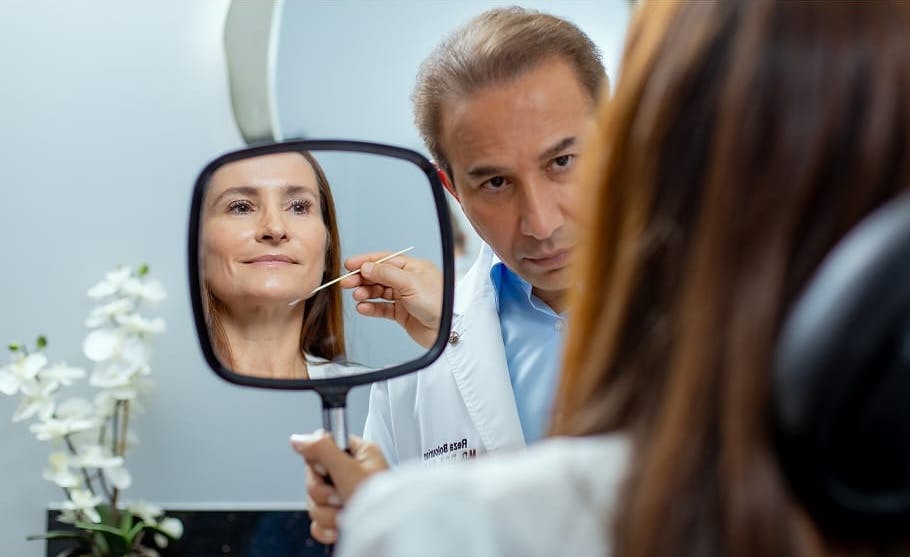
Facelift surgery is a meaningful procedure, and it can be physically demanding on the body. While expert surgical technique is essential, how well you heal also depends greatly on your nutritional health. Eating well before and after your facelift plays a major role in recovery—helping reduce bruising and swelling, support incision healing, and improve scar quality.
Preparing your body with the right nutrition is one of the most important ways you can take an active role in achieving the best possible surgical outcome.
I believe that the best facelift results start long before surgery—with proper nutrition and preparation. Our team in Orange County, California equips patients with the knowledge, labs, and supplements they need to heal optimally and feel their best throughout recovery.
The Unique Healing Demands of Facelift Surgery
Facelift surgery involves:
- Skin and soft tissue elevation
- Incisions around the ears and hairline
- Controlled inflammation and tissue remodeling
Because the face has a rich blood supply and visible healing phases, nutritional deficiencies can show up quickly as prolonged swelling, delayed incision healing, poor scar quality, or at times increased risk of infection.
Preoperative Nutrition: Optimizing Healing Before Surgery
Protein: Essential for Skin and Tissue Repair
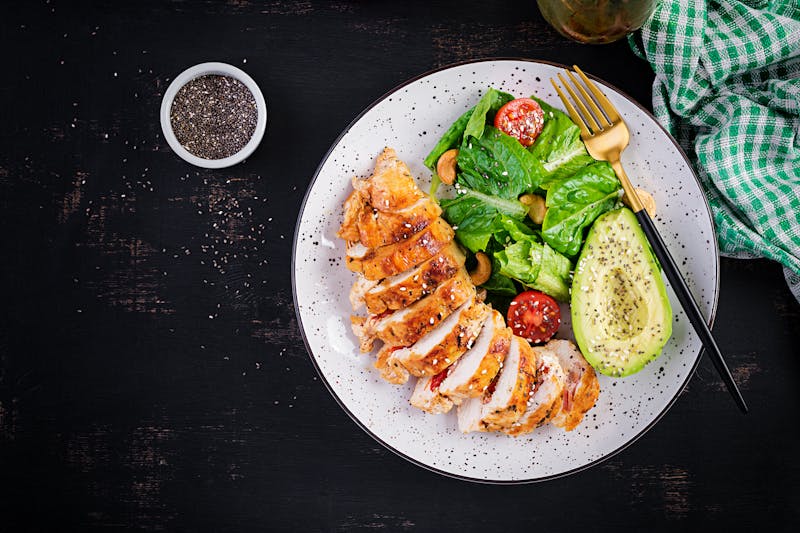
Protein is the foundation of wound healing and collagen formation. Inadequate protein intake is associated with delayed healing and poor surgical outcomes.
Patients preparing for facelift surgery should focus on:
- Lean meats, poultry, fish (in moderation)
- Eggs and dairy products
- Legumes and plant-based proteins
- Protein shakes if dietary intake is insufficient
Many patients—especially older adults—do not consume enough protein without supplementation.
Evidence-Based Supplements That Support Facelift Recovery
When used appropriately and under medical guidance, certain supplements have evidence supporting surgical healing:
- Protein supplementation: Supports tissue repair and collagen production
- Vitamin C: Essential for collagen synthesis and incision healing
- Zinc: Plays a role in immune function and wound repair
- Arginine: May support wound healing and blood flow-Found in meat, chicken, fish, beans, legumes and whole grains.
- CoQ10 (Coenzyme Q10) and Healing After Facelift Surgery: CoQ10 supports cellular energy (ATP-“remember high school?”) production, which is needed for tissue repair. There is a process called oxidative stress, which can increase after surgery. This means after surgery, the body is working hard to heal. During this process, the body is stressed and more free radicals (Oxidative Stress) are produced- think of these as little sparks that can make a mess if they aren’t cleaned up. If the body can’t keep up, oxidative stress may: Slow tissue repair, increase swelling and inflammation, affect skin and incision healing.
- Omega-3 fatty acids: Help regulate inflammation (timing is important and should be discussed with your surgeon)-Omega-3 supplements may interfere with clotting and cause minor issues during surgery. We do recommend this dietary supplement 5-7 days after surgery if healing is progressing normal.
The Importance of Preoperative Lab Testing
Laboratory evaluation helps identify patients who may be at risk for delayed healing or complications.
Albumin: A Key Indicator of Healing Capacity
Serum albumin is commonly used to assess overall nutritional and inflammatory status. Low albumin levels are associated with:
- Delayed wound healing
- Increased risk of infection
- Poor scar formation
Although albumin is influenced by inflammation and hydration, it remains a valuable screening tool when interpreted appropriately.
Why HbA1c (HgA1C) Matters Before Facelift Surgery?
HbA1c (also called A1c) is a blood test that shows a person’s average blood sugar level over the past 2–3 months. Even for patients who do not have diabetes, this test can provide important information about how well the body is prepared to heal after surgery.
When blood sugar levels are consistently elevated, the body’s ability to heal is affected. High blood sugar can:
- Slow wound healing
- Increase the risk of infection
- Affect blood flow to the skin
- Impact scar quality
Additional Labs That Help Assess Surgical Readiness
Depending on the patient, additional labs may be helpful before facelift surgery:
- Prealbumin: Reflects short-term nutritional status
- Hemoglobin and iron studies: Identify anemia that may impair oxygen delivery to healing tissues
- Vitamin D: Supports immune function and tissue health-It helps the body recognize, respond to, and recover from stress, including surgery.
- Electrolytes: Important for cellular recovery
- Inflammatory markers (when indicated): Help contextualize nutritional labs
Identifying deficiencies before surgery allows time for correction, improving both safety and aesthetic outcomes.
Postoperative Nutrition: Supporting Facial Healing and Scar Quality
After facelift surgery, the body’s nutritional demands increase. Proper postoperative nutrition helps:
- Reduce prolonged swelling and bruising
- Support incision healing
- Improve scar quality
- Maintain strength and energy during recovery
Patients are encouraged to:
- Resume protein intake as soon as cleared
- Use nutritional shakes if chewing is uncomfortable
- Stay well hydrated
- Continue approved supplements during recovery
Even short-term nutritional neglect after surgery can impact healing.
Nutrition as Part of a Successful Facelift Outcome
Facelift surgery is not just about surgical skill—it is about optimizing the patient as a whole. Nutrition is one of the few risk factors we can proactively improve.
By addressing nutrition, reviewing key laboratory values such as albumin, and using scientifically supported supplements when appropriate, patients can significantly improve their healing experience and final results.
A well-prepared body heals better—and that shows in the outcome.
Contact our office today to schedule your consulation.