Understanding the most common causes of facelift complications, unnatural outcomes, and disappointing facelift results.
Facelift surgery remains one of the most effective procedures for facial rejuvenation, helping patients achieve a younger, refreshed appearance by addressing sagging skin, jowls, and neck laxity. Yet despite advances in modern techniques such as the Deep Plane Facelift and SMAS Facelift, some patients still experience unsatisfactory outcomes.
If you've ever searched for terms like "bad facelift results," "failed facelift," "facelift complications," or "why facelifts look unnatural," you're not alone.
The good news is that most facelift failures are preventable. Scientific research and decades of facial plastic surgery experience have identified three major factors that contribute to poor facelift outcomes.
1. The Facelift Only Tightened the Skin Instead of Repositioning Deep Facial Tissues
One of the most common causes of a failed facelift is an outdated approach that focuses primarily on tightening the skin.
Facial aging occurs in multiple anatomical layers. Over time, the skin loses elasticity, but deeper structures—including the Superficial Musculoaponeurotic System (SMAS), facial fat compartments, retaining ligaments, and facial muscles—also descend due to gravity and age-related tissue changes.
When only the skin is tightened, the result may initially appear improved, but the tension is concentrated in the skin rather than the underlying support structures. This can lead to a stretched, unnatural appearance and shorter-lasting results.
What the Research Shows
Numerous studies published in plastic surgery literature have demonstrated that techniques addressing the SMAS and deeper facial layers produce more natural and longer-lasting outcomes than skin-only facelifts.
Deep tissue repositioning helps restore youthful facial contours while minimizing visible tension on the skin.
Signs of a Skin-Only Facelift
- Tight or "pulled" facial appearance
- Distortion around the ears
- Visible tension in the cheeks
- Early return of jowls
- Less durable facelift results
Modern facelift surgery focuses on restoring facial anatomy rather than simply tightening loose skin.
2. Unrealistic Expectations Can Make a Successful Facelift Feel Like a Failure
Patient satisfaction is one of the strongest measures of facelift success.
Even technically excellent surgery may be perceived as unsuccessful when expectations do not align with what facelift surgery can realistically achieve.
A facelift can improve sagging, redefine the jawline, and rejuvenate facial contours. However, it cannot stop the natural aging process, permanently eliminate every wrinkle, or make a person look like someone else.
Scientific Evidence on Patient Satisfaction
Research consistently shows that realistic expectations are among the strongest predictors of satisfaction following cosmetic surgery.
Patients who receive comprehensive education about expected results, recovery timelines, and surgical limitations report significantly higher levels of satisfaction than those pursuing perfection or dramatic transformation.
Risk Factors for Disappointment
- Expecting to look decades younger overnight
- Believing surgery will solve personal or emotional challenges
- Comparing results to heavily edited social media images
- Inadequate understanding of the healing process
Successful facelift outcomes depend on clear communication between patient and surgeon before surgery ever begins.
3. A one-size-fits-all approach
Perhaps the most underappreciated cause of facelift failure is a surgeon applying a standardized technique to a face that needs something entirely different. Bone structure, skin thickness, the degree of aging, and even the patient's gender all demand a tailored plan.
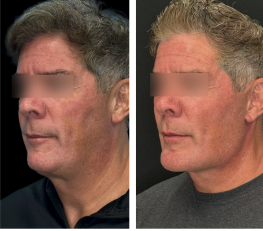
For example, facelifts for men require a different approach to avoid unwanted feminization of the face. Using a mini facelift when a full procedure is needed leads to incomplete results. And treating only part of the face — say, just the cheeks — while leaving the neck or eyes untreated can create a disharmony that looks strange even if the individual work is technically sound.
Many "bad-looking" results aren't actually poor facelifts — they're good facelifts that simply weren't planned holistically. When the lower face is lifted but the eyes or neck remain aged, the brain reads the imbalance as something being "off.
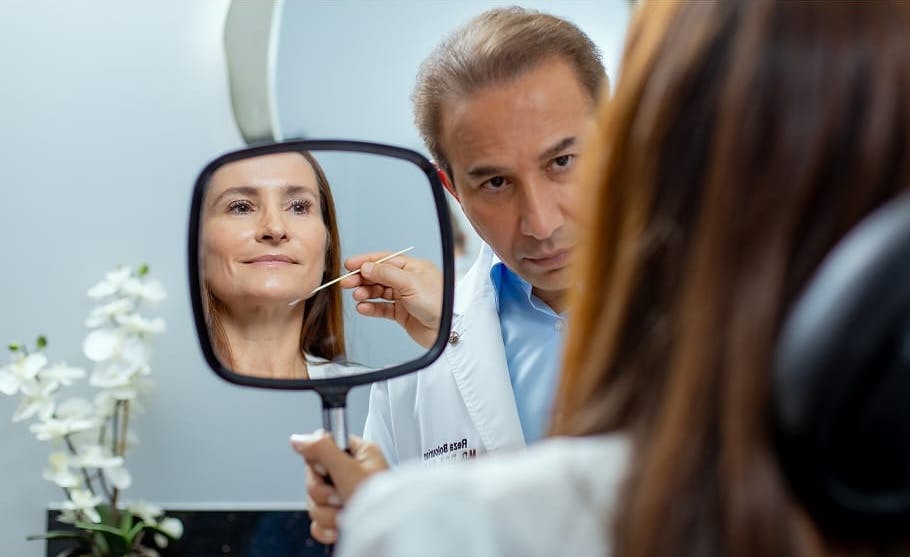
The best surgeons screen patients thoroughly — medically, emotionally, and anatomically — before recommending a specific approach.
Frequently Asked Questions About Failed Facelifts
What is the most common reason facelifts fail?
The most common cause is failure to adequately address the deeper facial support structures, resulting in a tight but unnatural appearance and shorter-lasting results.
Can a bad facelift be corrected?
In many cases, yes. Revision facelift surgery can often improve asymmetry, recurrent sagging, visible scars, and unnatural tension, although revision procedures are generally more complex than primary surgery.
How long should facelift results last?
Depending on the technique used, patient genetics, lifestyle factors, and skin quality, facelift results often remain noticeable for 10 years or longer.
Are modern facelifts more natural looking?
Yes. Modern techniques such as Deep Plane facelifts focus on repositioning deeper tissues rather than simply tightening skin, which generally produces more natural-looking outcomes.
Final Thoughts
Most failed facelifts are not the result of a single mistake. Instead, they typically arise from one of three scientifically supported factors: inadequate treatment of deep facial structures, unrealistic expectations, or less than ideal approach.
Advances in facial plastic surgery have dramatically improved outcomes, making natural-looking, long-lasting rejuvenation more achievable than ever before. The key is selecting the right surgeon, understanding the procedure's limitations, and optimizing your health before surgery.
When these factors align, facelift surgery can provide safe, predictable, and highly satisfying results that age gracefully over time.